

Viewed products
-

BN/TiB2 Composite...
BN/TiB2 composite ceramics (BN-T) are...
Boron Nitride (BN) Products
- Products
- Deposition Materials
- Refractory Metals
- Rare Earth Materials
- Powder
- Technical Ceramics
- Lanthanum Hexaboride (LaB6) Materials
- Pyrolytic Boron Nitride (PBN) Products
- Boron Nitride (BN) Products
- Alumina Ceramics (Al2O3)
- Aluminum Nitride (AlN) Products
- Silicon Nitride (Si3N4) Ceramics
- Silicon Carbide (SiC) Ceramics
- Graphite Products
- Zirconia Ceramic
- MAX Phase Ceramic Materials
- Boron Carbide Ceramics (B4C)
- Magnesium Oxide Ceramics (MgO)
- Quartz Ceramics
- Macor Machinable Glass Ceramic
- Beryllium Oxide (BeO) Ceramics
- Piezoelectric Ceramics
- High Purity Materials
- Precious Metals
- Chemicals
- Crystals & Substrates
- Applications
- Other
 View larger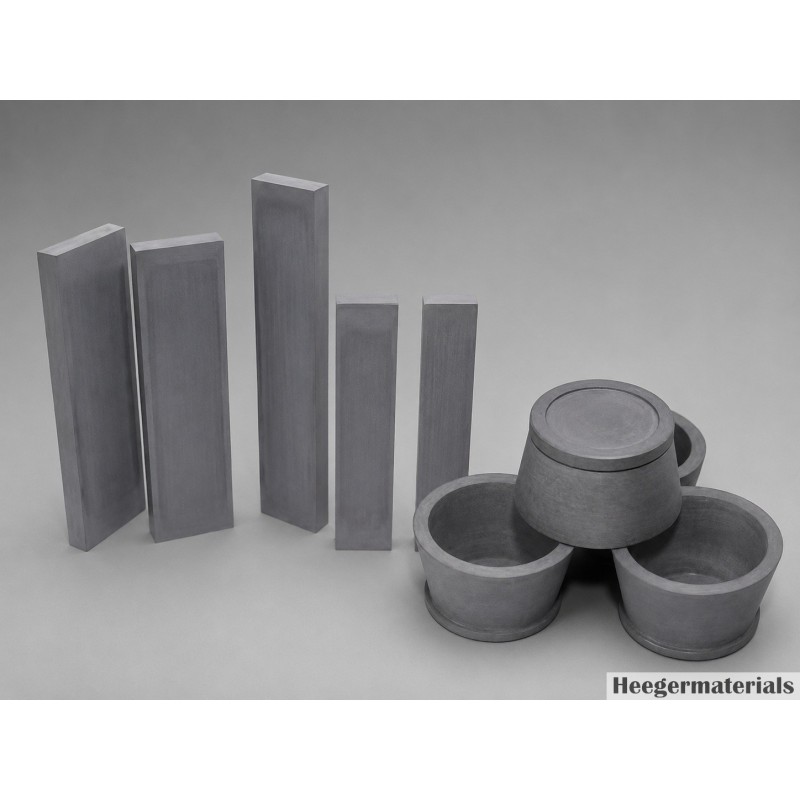
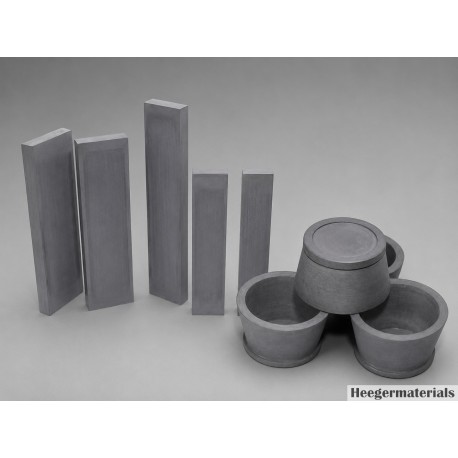
BN/TiB2 Composite Ceramics (BN-T)
HM-BNT
New product
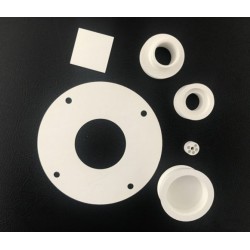
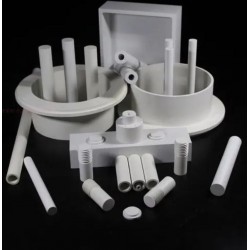
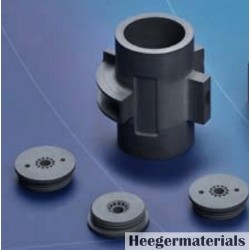
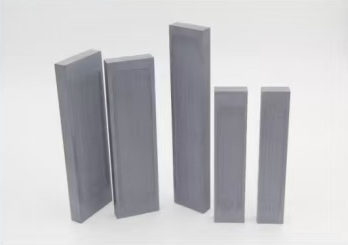
BN/TiB2 composite ceramics (BN-T) are conductive boron nitride ceramic components engineered for high-temperature vacuum, evaporation and optical-coating equipment. Custom crucibles, evaporation boats, plates, rods and machined parts are available to drawing.
Please contact us if you need customized services. We will contact you with the price and availability in 24 hours.
More info
BN/TiB2 Composite Ceramics (BN-T)
BN/TiB2 composite ceramics are conductive boron nitride ceramic materials based on BN, titanium diboride (TiB2) and aluminum nitride (AlN). The dense, vacuum-hot-pressed material combines high-temperature stability, corrosion resistance and controlled electrical conductivity for demanding thermal-processing and vacuum-coating components.
Available Forms
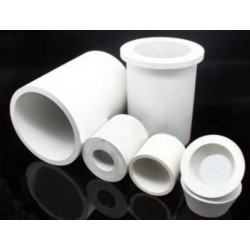
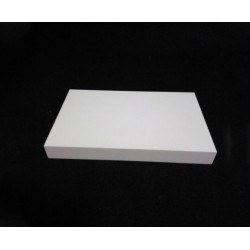
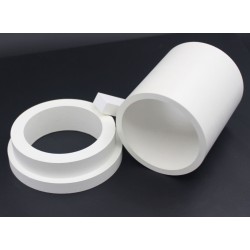
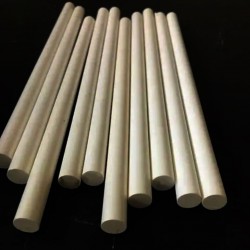
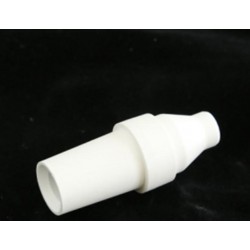
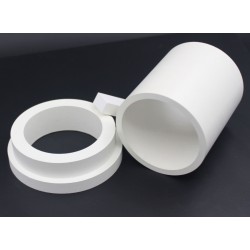
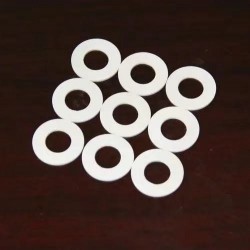
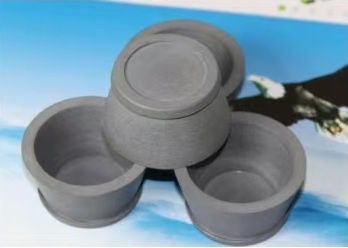
Custom components are available as crucibles, evaporation boats, plates, sheets, rods, rings, nozzles and other machined parts. Please provide a drawing, finished dimensions, tolerances, quantity and service conditions for a quotation.
Typical Properties
| Property | Typical value |
|---|---|
| Chemical composition | BN + TiB2 + AlN |
| Density | > 3.01 g/cm3 |
| Elastic modulus | 60–70 GPa |
| Flexural strength (room temperature) | > 150 MPa |
| Coefficient of thermal expansion (1450 °C) | 4–6 × 10^-6/K |
| Thermal conductivity (20 °C) | 100 / 40 W/m·K |
| Maximum service temperature in air (oxidizing) | 900 °C |
| Maximum service temperature in vacuum | 1700 °C |
| Maximum service temperature in inert atmosphere | 2000 °C |
| Room-temperature resistivity | 300–2000 μΩ·cm |
Values are typical and are not intended as guaranteed specifications.
Features and Benefits
- Fine, dense microstructure produced by vacuum hot pressing.
- Excellent corrosion resistance and long service life in high-temperature processes.
- Chemically stable with molten metals at elevated temperatures, helping reduce contamination.
- High oxidation resistance; compared with graphite, service temperature may be increased by approximately 400–500 °C, depending on the application.
Typical Applications
- Conductive ceramic evaporation boats for vacuum metallization and induction-heating equipment.
- Crucibles for high-temperature electron-beam evaporation.
- Crucibles and components for optical-coating equipment.
- Custom conductive ceramic parts for high-temperature vacuum and inert-atmosphere systems.
Ordering Information
Please specify the required component form, drawing or dimensions, tolerances, application, operating atmosphere and temperature, quantity, and any documentation requirements.
FAQ
What forms are available for BN/TiB2 composite ceramics?
BN-T can be supplied as custom crucibles, evaporation boats, plates, sheets, rods, rings, nozzles and other machined components.
What information is needed for a BN-T quotation?
Please provide the component drawing or dimensions, tolerances, operating atmosphere and temperature, application, quantity, and any documentation requirements.
What service temperatures can BN-T support?
Typical maximum service temperatures are 900 °C in oxidizing air, 1700 °C in vacuum and 2000 °C in inert atmosphere. Final suitability depends on the component design and operating conditions.
Related Boron Nitride Products
Inquiry to Heeger Materials
Items marked with an asterisk (*) are required.
Heeger Materials respects your privacy, and we will NOT sell or provide your personal data to other third parties, or allow them to use your personal data for their own purposes. However, we would like to send you information from time to time by mail or email about our products and special offers in addition to the interest categories you've selected above. Read our Privacy Policy